

Building a Multi-Energy Company
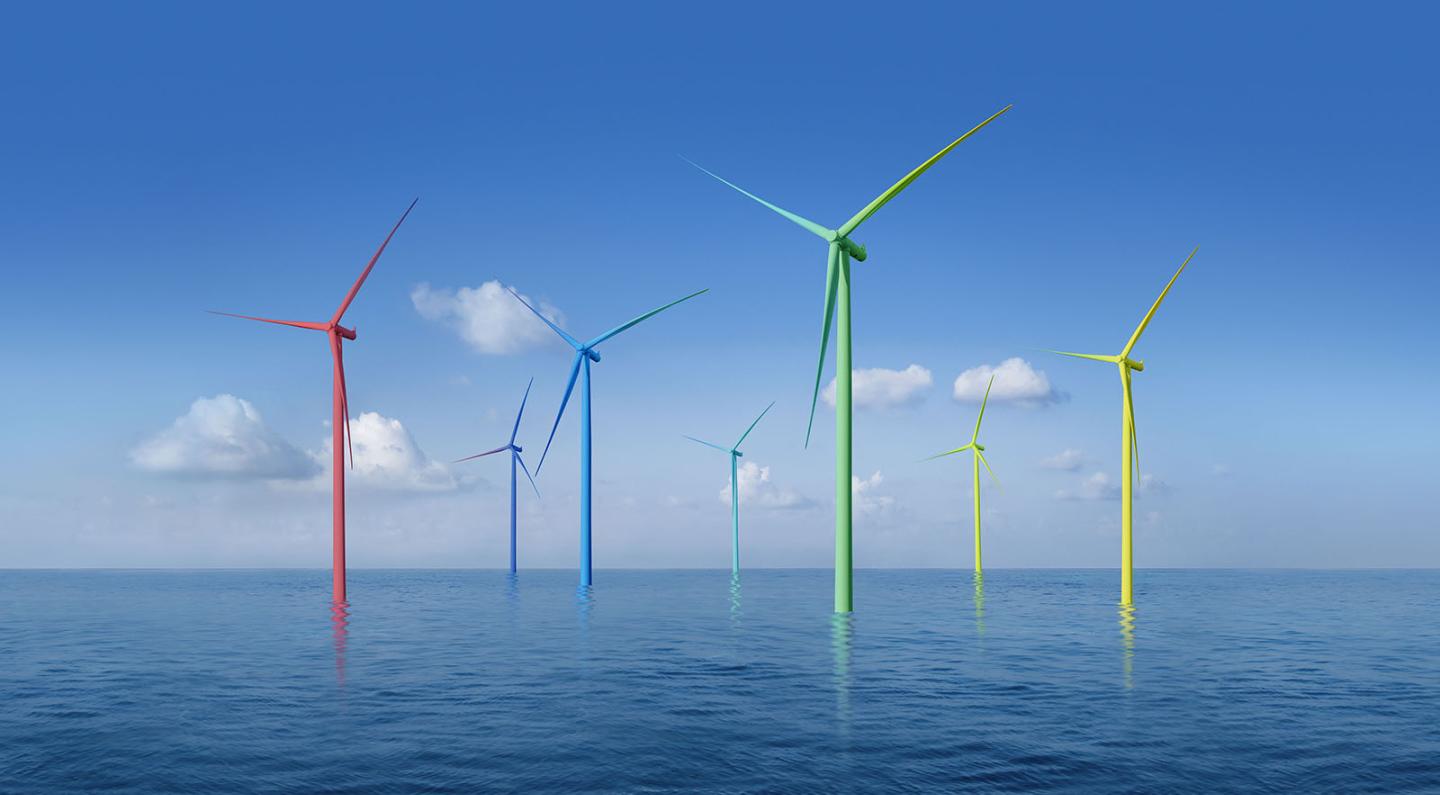
Energy Transition
On sait depuis longtemps On sait depuis longtemps On sait depuis longtemps On sait depuis longtemps
sanae s
TotalEnergies est une compagnie multi-énergies intégrée mondiale de production et de fourniture d'énergies
Lorem ipsum dolor sit amet, consectetur adipiscing elit. Ut augue lorem, sodales sed vulputate vitae,
-
Net zero
notre ambition à 2050, ensemble avec la société
-
500
centrale de production d'électricité verte
-
> 100 000
collaborateurs dans environ 120 pays
-
> 100 000
collaborateurs dans environ 120 pays
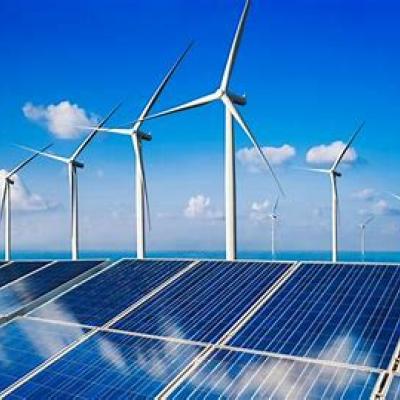

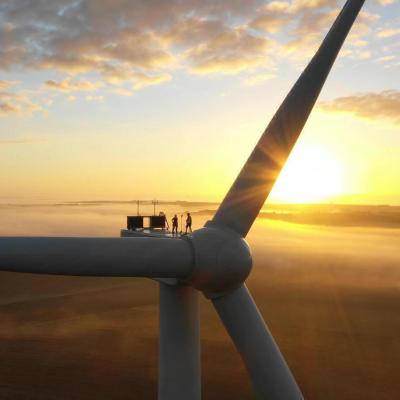
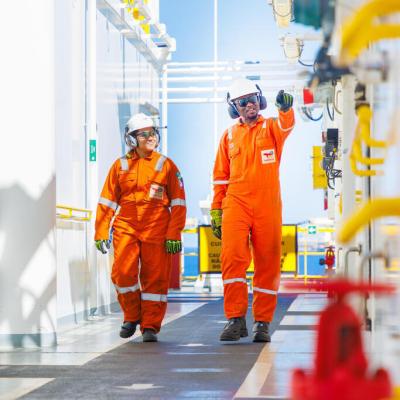

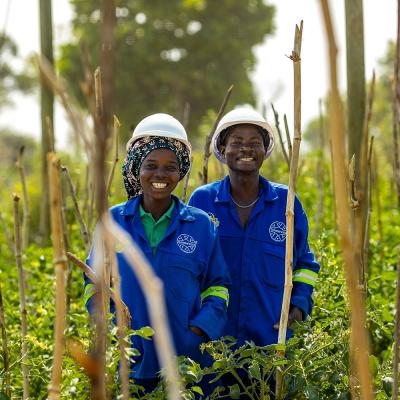
TotalEnergies is a global integrated multi-energy company that produces and supplies energy.
We provide the energy the world needs: ever more affordable, more sustainable, more reliable and accessible to the greatest number.
-
Net zero
our ambition for 2050, together with society
-

-
500
green electricity production plant
-
> 100 000
employees in approximately 120 countries
Our ambition
In affirming its ambition to be a major player in the energy transition and to achieve carbon neutrality by 2050, together with society, TotalEnergies has committed to profoundly transforming its production and sales while continuing to meet the energy needs of a growing population.
To do that, we are reinventing and diversifying our energy offering to promote renewable and decarbonized energies, as well as sparing, well-considered use of fossil energies. Since the beginning of the decade, we have moved resolutely to transform our energy model in order to become a multi-energy company and major player in the energy transition.
Energy Transition
The Current Course & Speed scenario, which predicts a temperature increase of more than 3°C by 2100, shows that the current pace is unsustainable for achieving the energy transition objectives and that the collective challenge is to move as far away as possible from this scenario while guaranteeing economic development, particularly in the Global South.
Reduce greenhouse gas emissions: A major challenge and opportunities
A number of high-impact actions could quickly curb greenhouse gas (GHG) emissions. While global anthropogenic GHG emissions reached 58 Gt CO2e2 in 2021, eliminating coal from the electricity system and methane emissions from fossil fuels production would help avoid ~10 Gt CO2 and ~4 Gt CO2e respectively. Similarly, decarbonizing transport, particularly the road sector, would result in eliminating approximately 6 Gt CO2.
2 CO2 equivalent
Consume less and better in transport
While transport as a whole (light vehicles, high-duty vehicles, aviation and shipping) accounted for 26% of final energy demand in 2021, the Rupture scenario plans to contain energy demand in this sector by acting on the two strategies of decarbonizing the energy mix and changing behaviour/improving energy efficiency.
- Light vehicles: develop public transport and replace internal combustion vehicles with electric vehicles, while investing in a network of charge points.
- High-duty vehicles: strive to decarbonize vehicle fleets and invest in the charging network, while continuing to innovate, particularly in batteries.
- Aviation: massively increase sustainable aviation fuel production, invest massively in e-fuels and increase aircraft energy efficiency.
- Shipping: develop a diversified mix of low-carbon marine fuels to replace oil, invest in hydrogen-derived fuels and increase energy efficiency.
Global indicators over the last 20 years reveal that primary energy demand and emissions from fossil fuel combustion are growing less rapidly than the gross domestic product (GDP). While global GDP grew by an average of 3.3% per year over the 2000-2021 period, CO2 emissions increased by 1.7% per year, and total primary energy demand climbed by 1.8% per year. This decoupling of energy demand from GDP growth has been seen since the early 2000s for oil demand, which grew at the same pace as the population until 2019, and since 2015 for coal. At the same time, renewable energy supplies have increased by an average of 2.6% per year, thereby meeting 40% of the growth in primary energy demand over the last five years.
There are still major disparities when it comes to the energy transition. TotalEnergies makes a distinction between three geographical areas:
- NZ50 countries: the 40 countries (mainly from the OECD) that have committed to achieving net carbon neutrality by 2050.
- China, because the trend in its energy demand is now closer to NZ50 countries.
- The Global South, comprising countries from the rest of the world (except for China), which aspire to higher living standards and therefore access to energy.
At a time when energy needs in the Global South are rising sharply against the backdrop of surging population growth, the need to achieve climate justice requires support for the energy transition in these countries, by financing the investments needed to develop low-carbon energies and organizing technology transfers and training.
Consume less and better in industry and in the residential and commercial sectors
There are many ways to accelerate the energy transition by consuming less and better in industry and in the residential and commercial sectors. They must respond to one or other of these challenges: decarbonize the energy mix and change behaviour/improve energy efficiency.
Some of the levers featured in the Rupture scenario include:
| Industrial demand | Decarbonization of the energy mix | Behaviour change/energy efficiency |
|---|---|---|
| Electrify production processes | ✓ | ✓ |
| Use gas instead of coal, which halves emissions | ✓ | |
| Capture CO2 or use low-carbon hydrogen to gradually reduce these residual emissions | ✓ |
| Residential and commercial demand | Decarbonization of the energy mix | Behaviour change/energy efficiency |
|---|---|---|
| Replace traditional biomass (~85% of bioenergy in 2021) with modern energies in the Global South | ✓ | ✓ |
| Electrify as much as possible | ✓ | ✓ |
| Improve energy efficiency (e.g. building insulation) | ✓ | |
| Change consumption behaviour (e.g. target temperature level) | ✓ |
World Day for Safety 2024 is an opportunity to discuss the lessons learned from major accidents of the past. It is also an opportunity to see, through our "return of experience" process, how we continue to learn and progress by learning lessons from more recent serious accidents, wherever they may have occurred.Michel Charton SVP Health Safety Environment, TotalEnergies

To achieve our ambition of carbon neutrality by 2050, together with society, we have set ourselves global greenhouse gas emission reduction targets, with intermediate objectives for 2025 and 2030.
-
1. Our emissions
Achieve by 2050 or earlier carbon neutrality (net zero emissions) for our operated activities (Scope 1+2) with intermediate targets of:
- reducing GHG emissions (Scope 1+2) from our operated facilities from 46 Mt CO2e in 2015 to less than 38 Mt CO2e by 2025,
- reducing net emissions of GHG (Scope 1+2) for our operated activities by at least 40% by 2030 compared to 2015, thus bringing net emissions to between 25 Mt CO2e and 30 Mt CO2e,
- reducing methane emissions from our operated facilities by 50% between 2020 and 2025, and by 80% between 2020 and 2030,
- reducing routine flaring to less than 0.1 Mm3/d by 2025, with the goal of eliminating it by 2030.
-
2. Carbon footprint of products sold
Achieve by 2050 or earlier carbon neutrality (net zero emissions) for indirect GHG emissions related to our customers’ use of energy products (Scope 3), together with society. Our intermediate targets compared to 2015 are to:
- maintain Scope 3 (world) GHG emissions related to our customers’ use of energy products to a level lower than 400 Mt CO2e, by 2025 and 2030,
- reduce Scope 3 GHG emissions from the petroleum products sold worldwide by 40% by 2030, compared with 2015,
- reduce the lifecycle carbon intensity of energy products used by customers by more than 15% by 2025, and by more than 25% by 2030.


Offsetting residual emissions with natural carbon sinks
Natural areas preservation and restoration can be a lever for achieving net zero emissions worldwide by 2050.
Voluntary offsetting of residual emissions with NBS (Nature Based Solutions) carbon credits will only be used from 2030, to offset Scope 1+2 residual emissions.
That’s why we invest in natural carbon sinks – ecosystems that naturally sequester carbon – through forestry, regenerative agriculture and wetland protection projects.
More Energy, Less Emissions



Oil
Our share of petroleum product sales has already fallen from 66% in 2015 to 55% in 2019 and is set to reach 30% in 2030.
Demand for oil could start to decline around 2030, but at a slower rate than the current natural decline rate of existing fields (around 4% per year). TotalEnergies therefore believes that new oil projects are still needed to meet this demand and to keep prices at an acceptable level in order to create the conditions for a just transition that allows people time to adapt their energy use.
We sanction these projects on performance criteria, notably in terms of technical costs and carbon intensity. We operate our fields with strict safety, emissions reduction and environmental impact requirements. The cash flow generated by these activities is helping to accelerate our investments in renewable energies.
-
-40%
target to reduce our sales of petroleum products by 2030 compared with 2019
-
30%
share of petroleum products in our sales in 2030, vs. 66% in 2015



Gas
For TotalEnergies, natural gas is a key energy for the energy transition. As a fossil fuel, it emits half as much greenhouse gas as coal when used to generate electricity. This abundant and easily accessible energy source makes it a valuable ally in helping coal-dependent countries reduce their greenhouse gas emissions.
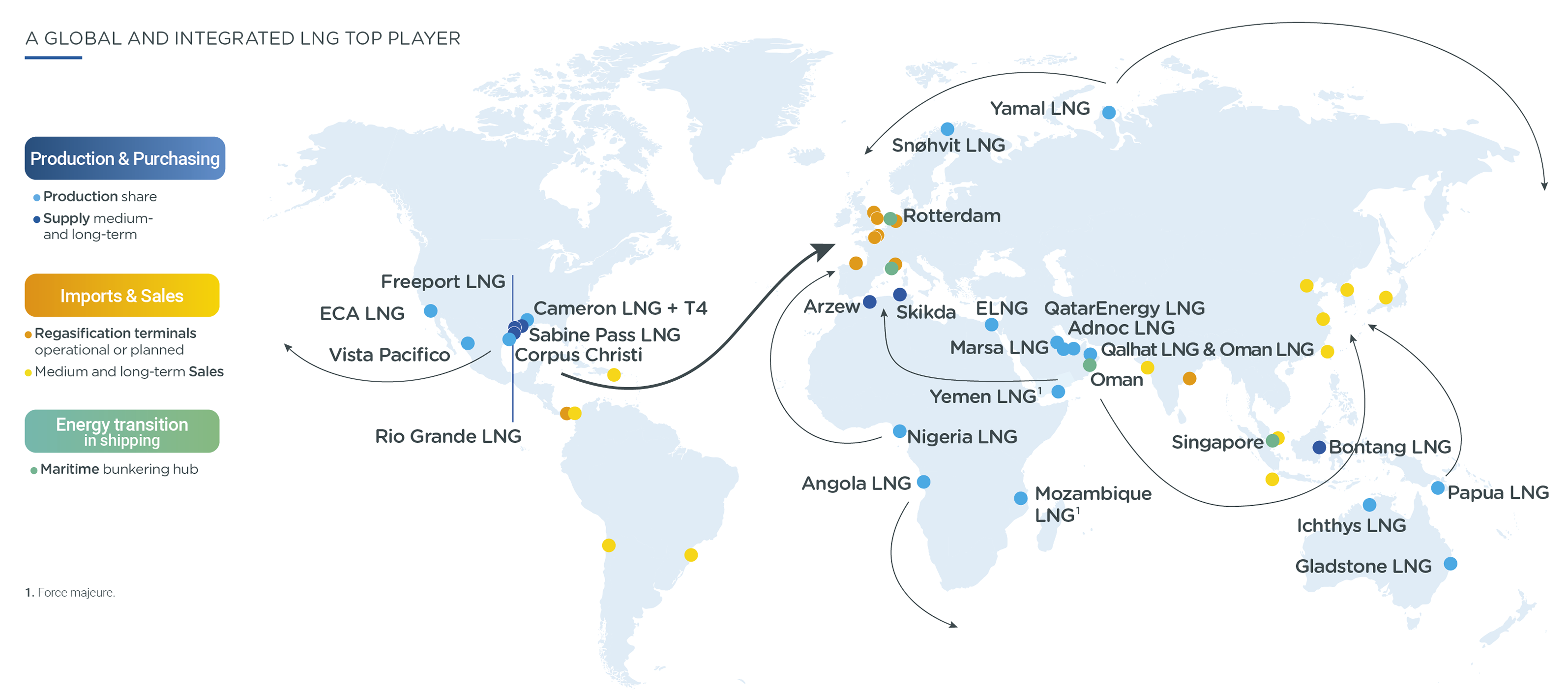
In the gas markets, TotalEnergies focuses on Liquefied Natural Gas (LNG), which can be shipped everywhere in the world and thus contributes to energy security, as it has been the case in Europe since 2022 with the strong reduction of Russian pipeline gas deliveries.
With diversified positions, and in particular its leading position of exporter in the United States - over 10 Mt in 2023 - TotalEnergies is the 3rd world’s largest LNG player, with 44 Mt sold in 2023. TotalEnergies aims to gradually reduce GHG emissions of the LNG value chain, from gas production to end use.
Methane is a greenhouse gas with a global warming potential 30 times higher than that of CO2 and a much shorter atmospheric lifetime1. At the beginning of 2022, we set ourselves some concrete and very ambitious targets for the next decade: -50% in 2025 and -80% in 2030, compared with 20202. These targets cover all of the Company’s operated assets and go beyond the 75% reduction in methane emissions from Oil & Gas by 2030 (vs 2020) as recommended by the IEA when creating the NZE scenario. We are also strengthening our methane intensity3 target of less than 0.1% by 2030 on our gas facilities, by extending it to all our operated Upstream Oil & Gas facilities.
In 2023, our operated methane emissions were 34 kt, down 47% vs 2020. TotalEnergies now aims to reach its 2025 target of -50%, one year ahead of schedule, in 2024.
An integrated global LNG player
More Energy, Less Emissions



Electricity
Electricity demand, which is vital to the success of the energy transition, is expected to grow sharply, as decarbonization is at the heart of the roadmaps of countries committed to carbon neutrality by 2050. In response, Integrated Power, a new pillar of the Company’s strategy, is developing an integrated model encompassing the entire value chain, from power generation to sales and trading activities.
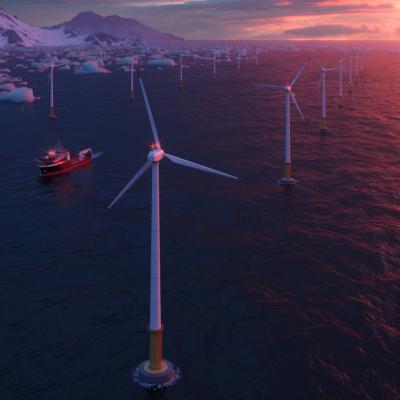
TotalEnergies net electricity production target is to produce more than 100 TWh by 2030, thanks to a 4 to 5-fold increase in renewable production (19 TWh in 2023) and a 2-fold increase in flexible assets production (15 TWh in 2023). As part of its ambition to achieve carbon neutrality by 2050, TotalEnergies is building a competitive portfolio of renewable (solar, onshore and offshore wind) and flexible (CCGT, storage) assets to provide its customers with less and less carbon-intensive electricity available 24/7.
At year end 2023, TotalEnergies reached a gross installed production capacity of 22 GW of renewable electricity and intends to continue developing these activities to reach 35 GW by 2025 and 100 GW by 2030, a level that would bring us among the world’s top five producers of renewable electricity (wind and solar) excluding China.
-
100 TWh/yearElectricity production target for 2030
-
5 GWof storage capacity deployed worldwide by 2030
An integrated global LNG player

Expanding our biofuels offering
Today, biofuels emit 50% less CO2 than their fossil fuel equivalents4, making them a decarbonization pathway for liquid fuels. Because demand is strong, this is a high-margin market, but access to feedstocks (plants, residues, sugar, etc.) remains a barrier to growth. We favor the manufacture of Sustainable Aviation Fuels (SAF) for the decarbonization of the aviation sector.
To avoid land-use conflicts, we develop solutions based on the priority use of waste and residues from the food industry (used oils, animal fats). Our aim is to increase the share of circular feedstocks to more than 75% as from 2024 in our production of biofuels.

Accelerating in biogas
Biogas, produced by the degradation of organic waste, produced from the decomposition of organic waste, is a renewable gas. Injected into gas networks in the form of biomethane, it contributes to the decarbonization of natural gas uses.
TotalEnergies’ gross production capacity of 1.1 TWh/year eq. biomethane has almost doubled compared with 2022.
The Company now intends to pursue its development through growth, mainly in Europe and the United States, with a 2030 target of 10 TWh of net production.



Hydrogen
Hydrogen acts as a gateway between a primary energy source and its end uses. We are interested in the production of more low-carbon hydrogen, which concerns:
- renewable hydrogen (commonly known as “green hydrogen”), produced either by electrolysis using electricity from renewable energy sources, or by any other technology using exclusively one or more of these same renewable energy sources and not conflicting with other uses enabling their direct valorization.
- low-carbon hydrogen (commonly known as “blue hydrogen”), produced by converting fossil fuels, but whose CO2 emissions are captured for reuse or storage, using carbon capture and storage (CCS) processes. Low-carbon hydrogen also refers to hydrogen produced by electrolysis, using electricity from low-carbon energy sources, notably nuclear (commonly referred to as “yellow hydrogen”), with a significant reduction in greenhouse gas emissions over the entire life cycle compared with hydrogen produced using existing techniques5.
For our operations, our priority is to decarbonize the hydrogen consumed in our European refineries by 2030. TotalEnergies aims to replace carbon-based or grey hydrogen by green hydrogen, produced by electrolysis of water using electricity from renewable energy sources.
The hydrogen production capacities currently under development will contribute to our ambition of increasing new molecules – biofuels, biogas, hydrogen and e-fuels6 – to 25% of our energy production and sales by 2050.
Through these projects, we aim to position ourselves as a pioneer in the mass production of renewable, low-carbon hydrogen to meet growing demand. This ambition will be particularly necessary to help decarbonize heavy mobility.
More Energy, Less Emissions
Carbon neutrality: an ambition shared with our customers
We are actively working to make carbon neutrality a shared ambition with our customers. The key to making an effective contribution to the energy transition is to gradually transform the way in which our customers consume energy.
As a result, we are pursuing a marketing policy geared towards low-carbon products, and will be reducing our offer for certain uses for which competitive low-carbon alternatives exist.
Accompanying our customers towards low-carbon mobility
Transport accounted for around 25% of global CO2 emissions in 2021. Our conviction: tomorrow’s mobility does not call for a single solution, but a range of complementary ones.
-
Road transport
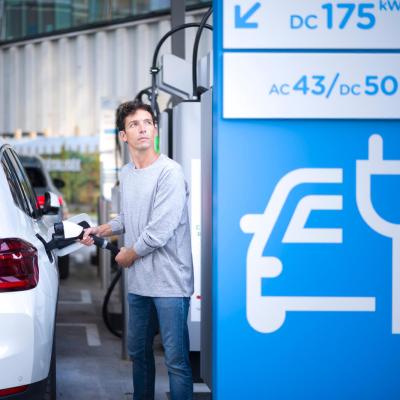
We offer our customers solutions to accelerate the adoption of electric mobility:
- deployment of charging infrastructure, with a worldwide target of 150,000 charging points in operation;
- upgrading to high-power charging solutions on freeways, with a target of 1,000 European sites equipped by 2028.
-

Air transport
One of the main levers for decarbonizing the air transport sector is the integration of SAF. When it’s produced from used cooking oil make it possible to 80%6 reduction in CO2 emissions over the entire life cycle.
We have set ourselves the target of producing 1.5
-
Maritime transport
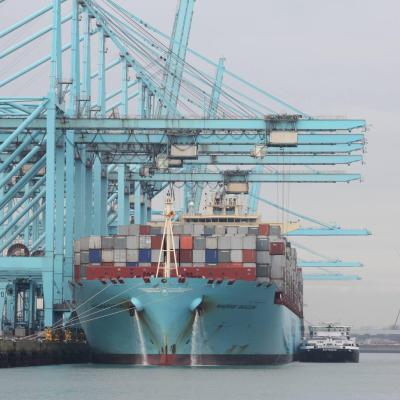
To reduce the emissions of our maritime customers, we are committed to supplying LNG (with a target of 10% of the global market by 2030), bio-LNG and biofuels at strategic bunkering centers. In the long term, we are working with partners in maritime coalitions and cross-sector R&D initiatives to shape the market for future decarbonized shipping fuels (advanced biofuels, biomethane, green methanol and synthetic ammonia).
We are also working to reduce shipping emissions by renewing our fleet of chartered LNG carriers with modern, high-performance vessels.
More Energy, Less Emissions

Notes
1 Roughly a dozen years compared to several hundred years for CO2. Global warming potential of about 80 over 20 years and 28 over 100 years (source: IPCC AR5).
2 Excluding biogenic methane.
3 Methane emission intensity relative to commercial gas production.
4 According to the European Directive 2018/2001 named RED II.
5 For these definitions of "renewable hydrogen" and "low-carbon hydrogen", TotalEnergies refers to the definitions provided by French legislation (Article L. 811-1 of the Energy Code) and the European Commission (Communication from the Commission COM(2020) 301, "A hydrogen strategy for a climate-neutral Europe", July 8, 2020).
6 Panorama 2020 - Biofuels incorporated into fuels in France, published by the Ministry of Ecological Transition and Territorial Cohesion.
Test 2352 lf cover inside lf parent
Sustainability
TotalEnergies est une compagnie multi-énergies intégrée mondiale de production et de fourniture d'énergies
Nous fournissons l'énergie dont le monde a besoin : toujours plus abordable, plus durable, plus fiable et accessible au plus grand nombre.
-
Net zero
notre ambition à 2050, ensemble avec la société
-
-
500
centrale de production d'électricité verte
-
> 100 000
dans environ 120 payscollaborateurs dans environ 120 pays